Digital Detox Glamping: How to Actually Unplug
Your phone followed you on every holiday you have ever taken. Here is how to finally leave it alone.
Browse Our StaysI run a glamping property in the Dooralong Valley on the Central Coast of NSW. It is solar-powered, surrounded by bushland, and dark enough at night that you can see the Milky Way without trying. And I still watch guests arrive, sit down in front of a view that genuinely stops people mid-sentence, and immediately pull out their phone to photograph it, post it, check the WiFi password, and scroll through whatever they were scrolling through in the car. I get it. The pull is almost automatic now. But the best stays I have hosted are the ones where people put the phone away, properly away, and let the place do what it is designed to do. You can absolutely be one of them, and this is a practical guide to making it happen.
Why Your Phone Follows You on Holiday
Your phone earns its place for a few things on this trip: the drive up, your check-in instructions, maybe a photo or two. That is the tool doing its job. The trouble is everything after that, the reflex to reach for it in every quiet moment. That is the habit, and most of us crossed the line from one to the other years ago. The genuinely useful bits you can sort before you leave: download your directions and check-in details to use offline, or even print them, so your phone is never the reason you have to stay connected once you arrive.
The average Australian checks their phone over 100 times a day. That does not stop because you drove 90 minutes north of Sydney and parked in a valley. The habit is not tied to where you are. It is tied to the micro-boredom that happens between activities. Waiting for the kettle. Sitting by the fire while someone else gets more wood. Lying in bed in those ten minutes before sleep. Those are the moments your phone fills, and those are exactly the moments a place like this is built for.
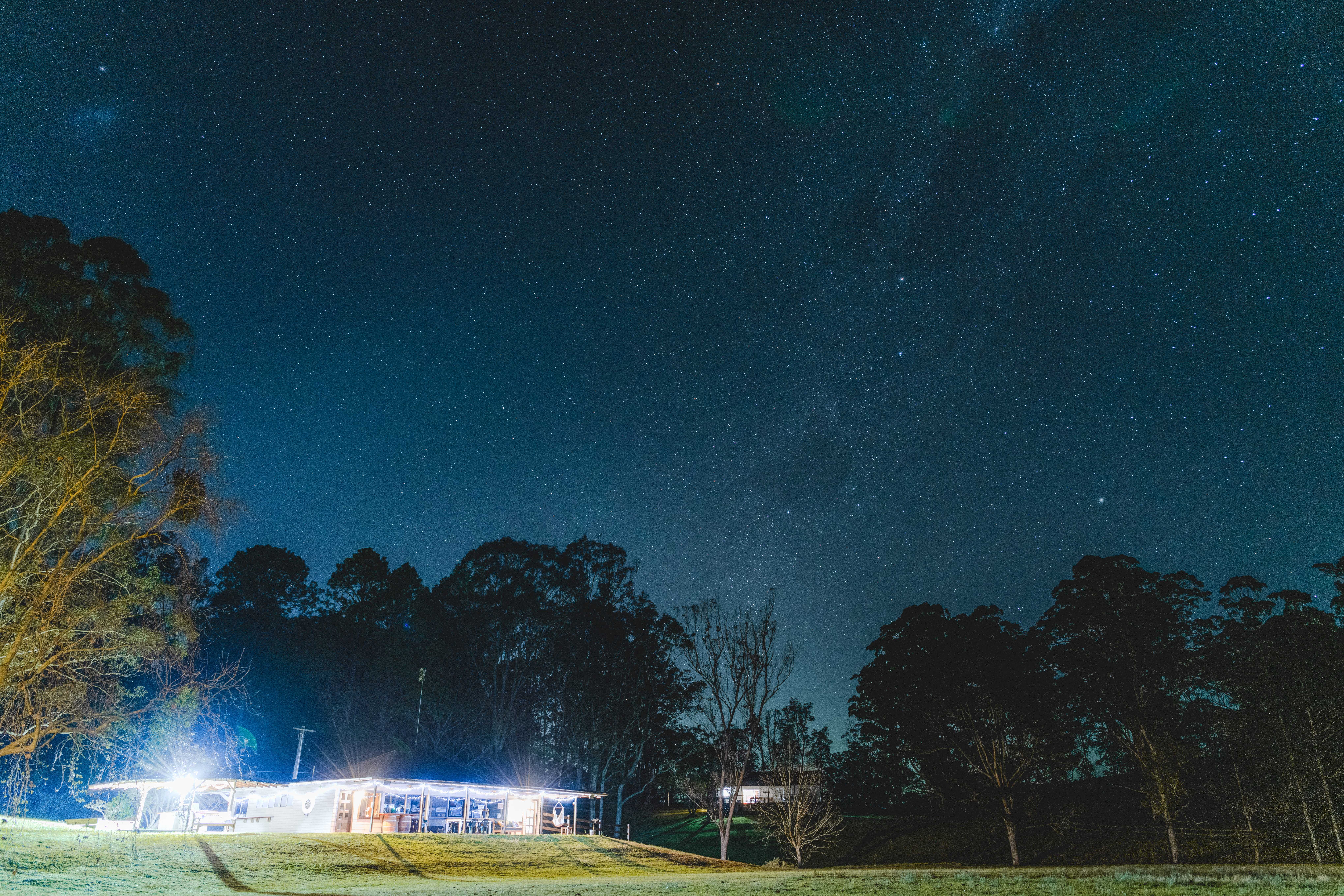
The problem is not that you are addicted to your phone. The problem is that your phone is specifically designed to fill every gap in your attention, and a glamping trip is full of beautiful gaps. Morning mist over paddocks. The sound of rain on a canvas tent. Stars appearing one by one as the sky gets darker. If you are looking at a screen during those moments, you are not here. You are just sleeping somewhere different.
A digital detox sounds dramatic. It is not. It is just being in a place worth paying attention to, and then actually paying attention to it.
What a Digital Detox Actually Looks Like
I am not going to tell you to lock your phone in the car and throw your Apple Watch in the creek. That is not realistic and it is not necessary. The guests who have the best detox experiences are the ones who set up a few simple rules before they arrive and then let the environment do the rest.
Before You Leave Home
- Delete social media apps: Instagram, TikTok, Facebook, X. Remove them from your phone before you drive. You can reinstall them in two minutes when you get home. This is the single most effective thing you can do
- Turn off notifications: Keep calls and messages from your emergency contacts. Turn off everything else: news, email, group chats, app updates
- Tell people you are going offline: A quick message to family or your team saying you are unreachable for 24 hours removes the anxiety of missing something
- Download what you need: Maps, a podcast for the drive, a playlist for the fire pit. Get everything ready so you do not need to go online once you arrive
When You Arrive
- Phone goes in the bag: Not in your pocket, not on the bedside table. In your bag, zipped up. You can check it once before dinner and once in the morning
- Keep it out of the bedroom overnight: Do not charge your phone next to the bed. Leave it in your bag, or better, in another part of the stay while you sleep. Reaching for it the second you wake up is the hardest habit to break, and the easiest fix is to make the phone something you have to get up and walk to
- Take photos with intention: If you want a photo of the sunset, take it. Then put the phone back. The goal is not zero photos. It is separating the camera from the scroll
- Use the WiFi only if you need it: There is WiFi at Unwind Escapes, but most guests who come to disconnect choose not to connect. Knowing it is available makes it easier. You are choosing to unplug, not being forced
What Fills the Time Instead
This is the part people worry about, and it is the part that takes care of itself. Once the phone is away, here is what actually happens:
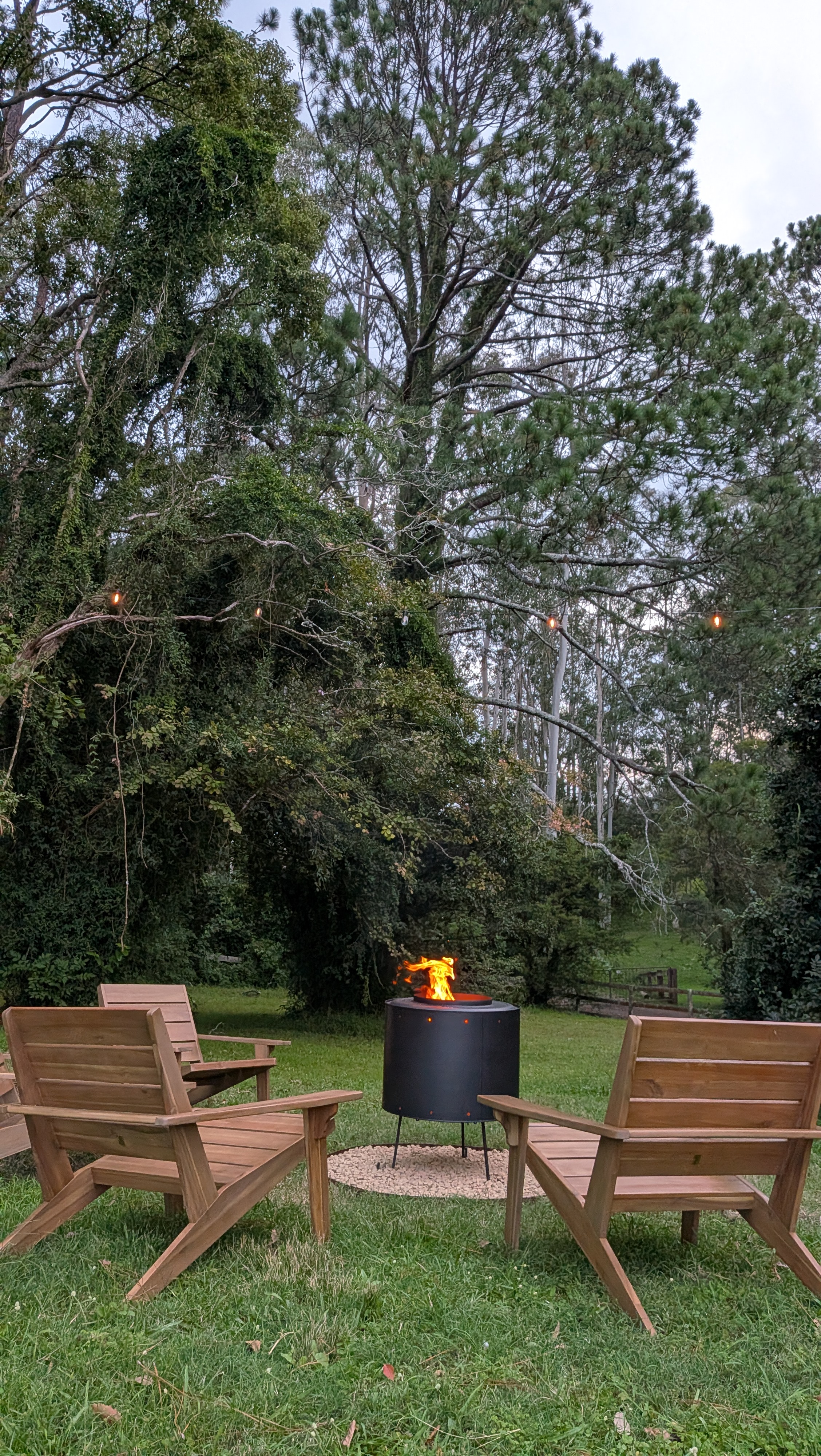
- Fire pit conversations: Longer, slower, and more honest than anything that happens over a screen. You end up talking about things you forgot you wanted to talk about
- Reading: Actual reading, where you finish chapters. Not reading three paragraphs before getting distracted by a notification
- Walking: Around the property, through the redwood grove, across the oval. Without a podcast in your ears, you hear the bush, and it is louder and more varied than you expect
- Doing nothing: Sitting. Watching the fire. Watching the sky change colour. This sounds boring on paper and feels extraordinary in practice
Why Glamping Works Better Than a Hotel
You can try a digital detox at a hotel. You will fail. Hotels are designed around screens: the TV in the room, the iPad for room service, the QR code menus, the WiFi password printed on a card on the desk. Everything about a hotel room pulls you back to a screen.
Glamping strips that away. You are in a dome or a tent, and the view through the window is bushland, not a car park. A couple of our stays do have a TV, but nothing here competes for your attention the way a hotel room does. The real entertainment is a fire pit, a sky full of stars, and the sound of kookaburras at dawn. The structure of the stay naturally fills the gaps your phone usually fills.
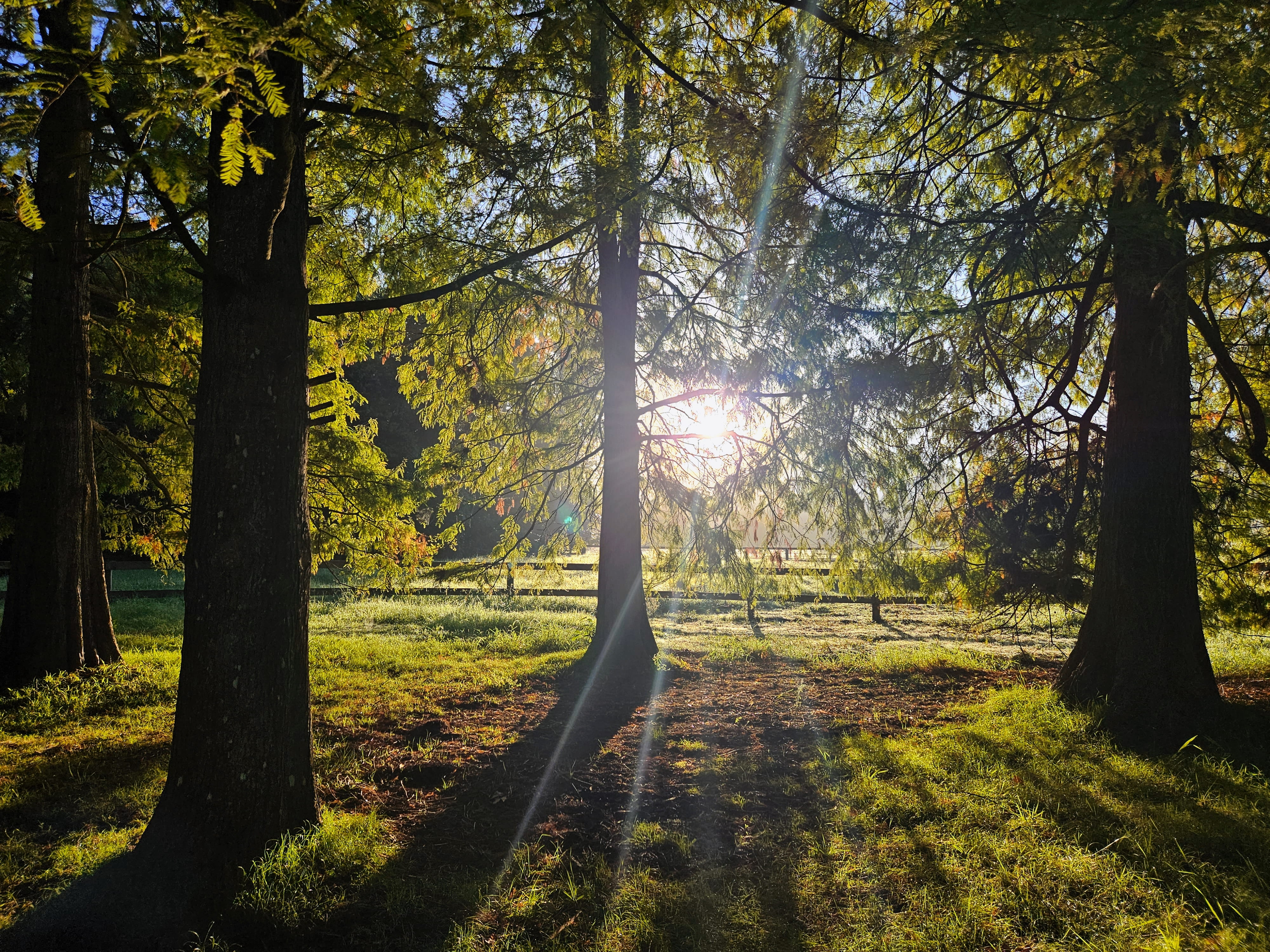
At Unwind Escapes, the property is solar-powered and set on 10 acres of farmland and bushland in the Dooralong Valley. There are kangaroos grazing near the clubhouse at dusk. The light pollution is so low that the Milky Way is visible overhead on clear nights. The dawn redwood grove is a five-minute walk from your stay. None of this competes with your phone. It replaces it. And that is the difference.
The other thing that works about glamping is the structure. You arrive, you settle in, you light the fire, you cook, you eat, you sit under the stars, you sleep, you wake up to birdsong and mist. Each part of the day has a natural rhythm that fills the time your phone usually occupies. You do not have to try to unplug. You just have to not actively fight it.
The 24-Hour Unplug: What to Expect Hour by Hour
I have watched this play out with hundreds of guests. The pattern is remarkably consistent.
Hours 1 to 3: The Phantom Reach
You will reach for your phone. Not because you need it, but because the muscle memory is that strong. You will feel it in your pocket and then remember it is in your bag. This happens ten to fifteen times in the first few hours. It is annoying, but it is also the point. You are noticing the habit for the first time.
Hours 3 to 6: The Restless Window
This is the hard part. The novelty of being phoneless has worn off, and you have not yet settled into the slower pace. You might feel bored, itchy, or weirdly anxious about missing something. This is normal. Light the fire. Pour a drink. Go for a walk. This window passes faster than you think, especially if you are with someone.
Hours 6 to 12: The Shift
Something changes around the six-hour mark. Your attention span starts to come back. You notice things: the way the light moves through the trees, the sound of a bird you cannot identify, the temperature of the air dropping as the sun sets. Conversations get longer and go deeper. You stop thinking about what you are missing online and start paying attention to what is in front of you.
Hours 12 to 24: The Payoff
You wake up and do not check your phone. Not because you are being disciplined, but because you genuinely do not want to. The morning is too good: mist over the paddocks, coffee on the deck, birds everywhere. You have slept better than usual because you were not scrolling at midnight. Your head feels clearer. When you do eventually check your phone, you discover you missed nothing important. That realisation is the whole point.
What to Bring Instead of Screen Time
Packing for a digital detox trip is almost the same as packing for a regular glamping trip, with a few additions that replace the entertainment your phone usually provides.
- Books: Physical ones. Bring two, one you have been meaning to read and one that is easy and fun. You will get through more pages than you expect
- A journal or notebook: Something about being offline makes you want to write things down. Thoughts, ideas, things you notice. It does not have to be a diary. A blank notebook works
- A deck of cards or a board game: If you are with a partner, family, or friends. Card games by the fire are better than they sound
- Binoculars: The property has wedge-tailed eagles, kookaburras, king parrots, cockatoos, and kangaroos. Binoculars turn a casual glance into actual wildlife watching
- A camera (optional): If you want photos without the distraction of a phone. A standalone camera does not come with Instagram attached
- A bluetooth speaker: Load a playlist before you leave. Background music around the fire is one of those small things that makes a big difference
- Marshmallows: For the fire pit. S'mores do not require WiFi
The Best Time to Unplug
Any time works, but winter is genuinely the best season for a digital detox glamping trip. The days are shorter, which means more fire pit time. The nights are darker and colder, which means better stargazing and cosier stays. The valley is quieter in winter: fewer guests, more stillness. And the excuse to do nothing is built right into the weather.
There is something about sitting by a fire on a cold night, wrapped in a blanket, with no screen glowing in your hand, that resets something in your brain. The warmth of the fire, the cold air on your face, the sound of wood cracking. It is the oldest form of entertainment humans have, and it still works better than anything on your phone.
If you are thinking about a winter glamping trip, a digital detox angle gives it extra purpose. You are not just escaping the city. You are escaping the noise that follows you everywhere else.
That said, summer has its own advantages. Longer evenings mean more time outside. The cricket oval is perfect for a barefoot game at sunset. And watching the stars appear on a warm night, with the sounds of the bush building around you, is a different kind of magic.
Our Stays

The Nest Glamping Dome
Our original geodesic dome with panoramic valley views, king bed, air conditioning, cinema area, and private fire pit. Sleeps up to 4.
View & book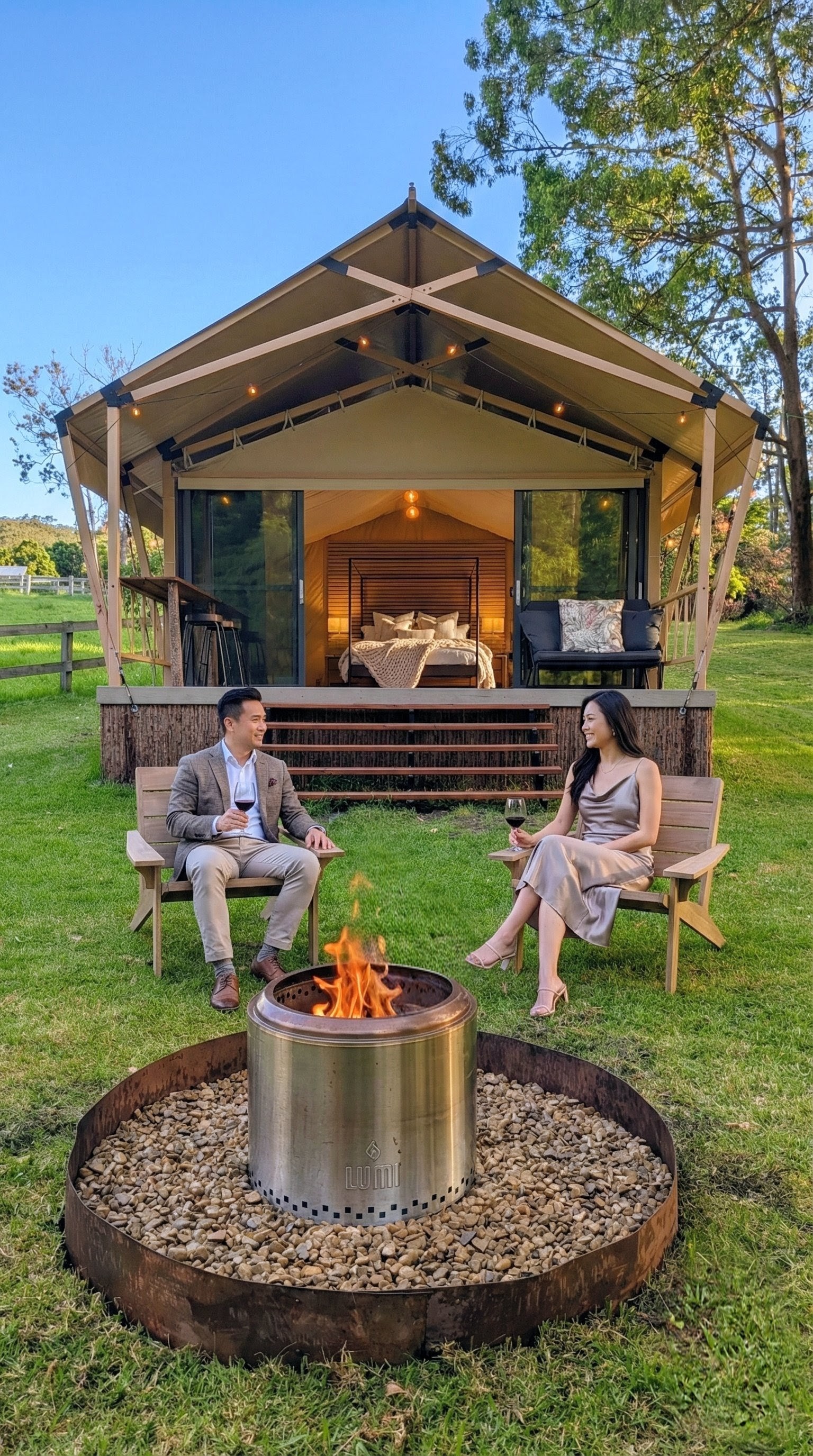
Redwood Safari Tent
Luxury safari tent with sliding glass doors opening onto the dawn redwood grove. Air conditioning, couch, and your own private fire pit.
View & book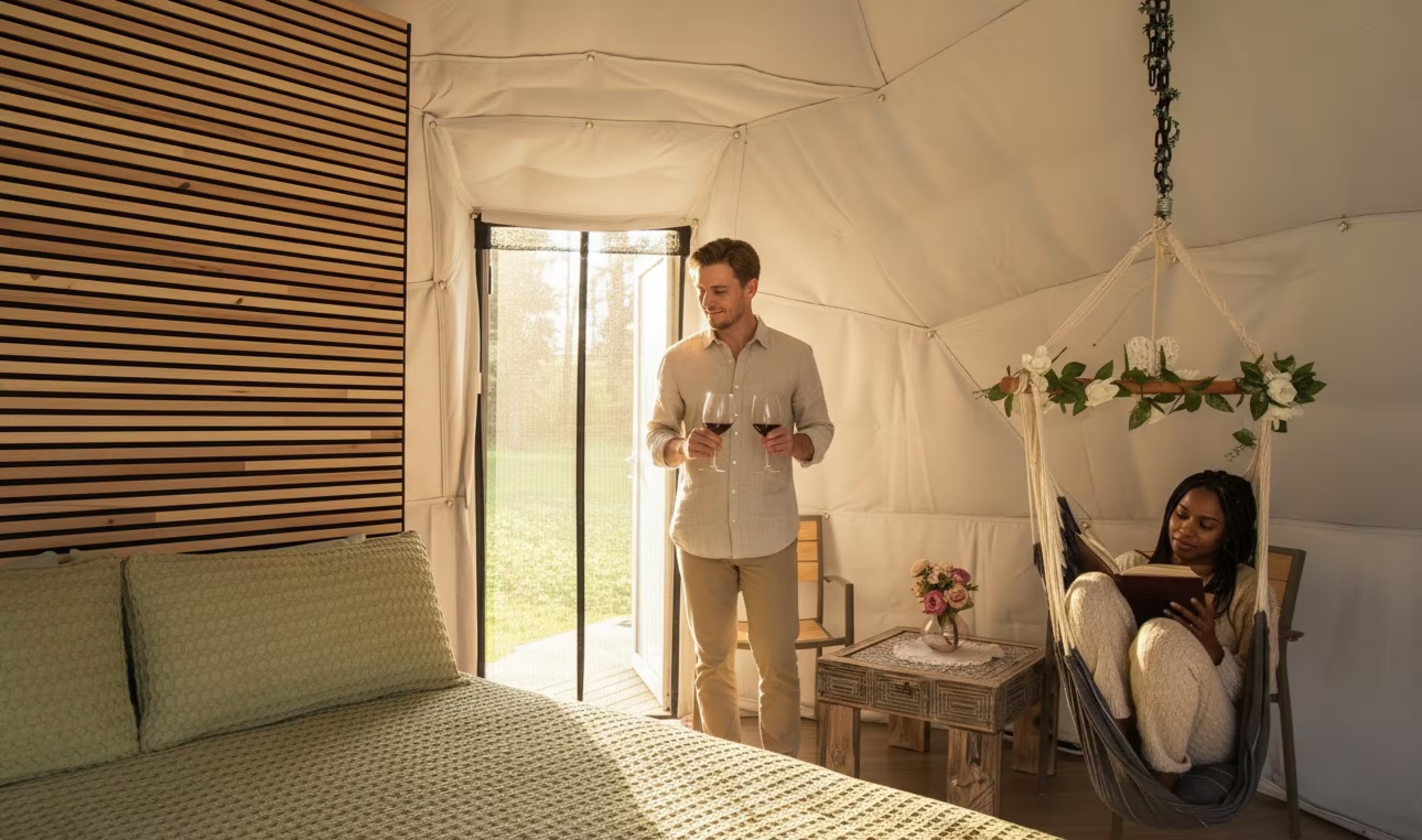
The Burrow Glamping Dome
Geodesic dome with panoramic windows, queen bed, and air conditioning. Valley views and a quieter, more intimate feel.
View & book
Serene Family Retreat
Our family-sized stay with kitchenette, air conditioning, and room to spread out. Ideal for families or groups looking to unplug together.
View & bookWhat Guests Say About Unplugging Here
"Amazing place, amazing host. Everything was picture perfect. We really enjoyed our time. Riley was really quick to respond and really helpful. Would suggest others to experience the glamping experience."
"This place was absolutely beautiful, perfect for a peaceful getaway. We loved the unique stay of being in a dome and they did a great job to make everything convenient and comfortable for your stay."
"Great stay at this beautiful safari tent in the middle of a farm. We slept very comfortably and hearing the rainstorm outside at night whilst warm and cosy was really nice. The bathroom is outside but very close by. Bring some waterproof shoes in case it rains at night and you need to make the short trek in darkness."
Frequently Asked Questions
No. A digital detox does not have to be all or nothing. The most effective approach is to keep your phone for emergencies and navigation but delete social media apps before you leave, turn off all notifications except calls, and put it in your bag instead of your pocket. You will check it less than you think once the habit loop is broken by a change of environment.
Keep your phone on and reachable, just put it out of sight. A digital detox is about breaking the scroll-check-refresh habit, not about being unreachable. At Unwind Escapes, there is mobile reception and WiFi available if you need it. The goal is to stop using your phone recreationally, not to isolate yourself.
Yes. There is WiFi on the property and mobile reception works in the valley. The WiFi is there if you need it for emergencies or navigation. Most guests who come to disconnect choose not to connect, but knowing it is available makes it easier to unplug, because you are choosing to disconnect rather than being forced to.
Most guests notice a shift after about four to six hours. The first few hours can feel restless. You will reach for your phone out of habit. By the evening, especially once the fire is lit and the stars come out, the urge fades. By the next morning, most people say they feel noticeably calmer. Even a single overnight stay makes a difference.
Absolutely. Kids adapt faster than adults. The property has open space to run around, a cricket oval, wildlife to spot, fire pits for toasting marshmallows, and a snooker table in the clubhouse. Most families find that once the screens go away, the kids actually play, and the parents actually relax.
A book or two, a journal, a deck of cards, a bluetooth speaker for background music, binoculars for birdwatching, and marshmallows for the fire. Most guests find they do not need much: the fire, the stars, the bush sounds, and actual conversation fill the time better than they expected.
Getting Here & Contact
Getting Here
- From Sydney CBD: 90 minutes via M1 Pacific Motorway
- From Sydney Airport: 90 minutes
- From Hornsby: 60 minutes
- From Newcastle: 60 minutes
You will need a car. The valley is quiet and transport options are limited.
Open in Google MapsGet in Touch
For availability and pricing, use our booking site.
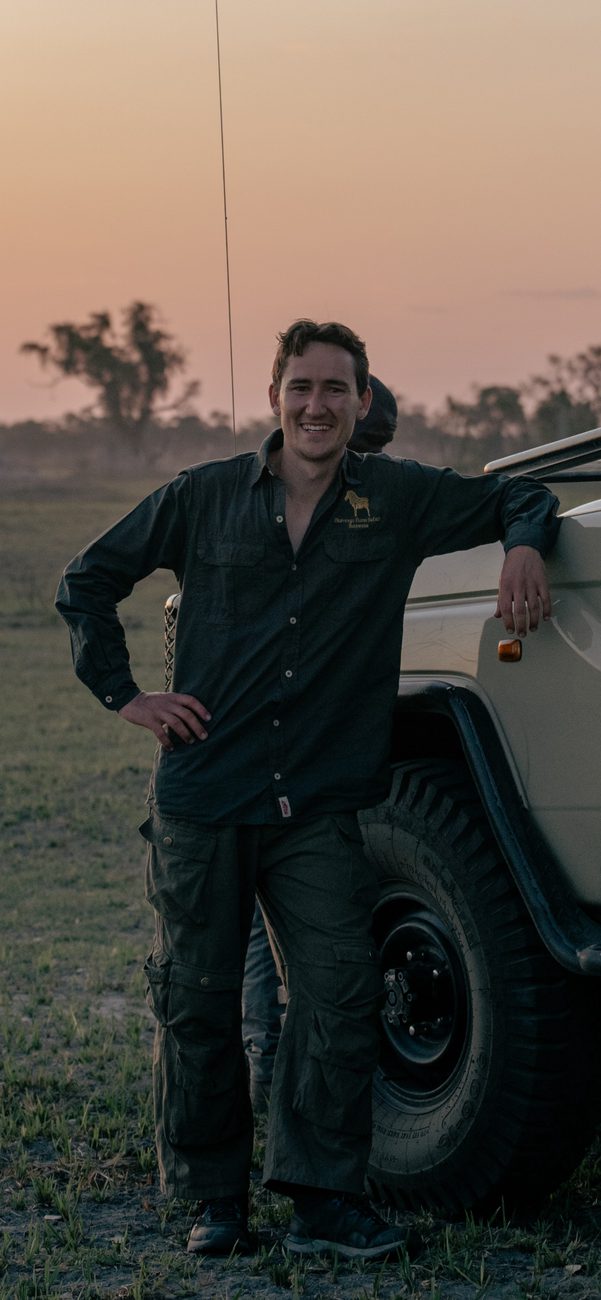
Written by Riley Mackillop
Founder of Unwind Escapes. Riley built the property from the ground up starting with a single bell tent in 2022. He now runs four unique glamping stays in the Dooralong Valley, Central Coast NSW.