Winter Stargazing in NSW: Where to See the Milky Way Near Sydney
The longest nights, the clearest skies, and the brightest stretch of the Milky Way, all within 90 minutes of the city.
Book a Stargazing GetawayMost people think summer is stargazing season. Warm nights, clear skies, lying on a blanket somewhere. But if you actually want to see the Milky Way (properly, not just a faint smudge), winter is when it happens. The nights are longer, the air is drier, and the brightest part of our galaxy sits directly overhead after dark. I photograph the Milky Way from our property in the Dooralong Valley on the Central Coast, and the best shots I have ever taken were on freezing June and July nights. Here is why winter stargazing in NSW is worth the cold, where to go, and how to make a weekend of it.
How to Plan a Stargazing Weekend
A bit of planning makes the difference between a memorable night and a cloudy disappointment. Here is what to consider.
Check the Moon Phase
This is the single most important thing. A full moon washes out the Milky Way completely. The sky turns a flat, pale blue and you lose all the faint detail. You want to aim for a new moon or within a few days either side. In June 2026, the new moon falls on June 15. The dark sky window runs roughly from June 2 through June 18. In July, the new moon is July 14, with the best viewing from July 3 through July 17. Plan around these dates if you can.
Check the Weather
Clouds are the enemy of stargazing, and NSW winters can go either way. The Bureau of Meteorology forecast is your friend. Check the cloud cover prediction for the specific night, not just the general outlook. Winter cold fronts clear quickly on the Central Coast, so even if the days are overcast, a clearing trend in the late afternoon often delivers a pristine evening sky.
Arrive Before Dark
If you are driving to an unfamiliar location, get there while there is still light. Find your spot, set up, eat dinner, and then let your eyes adjust as the sky darkens naturally. Rushing in after dark with headlights and phone torches works against you: it takes 15 to 20 minutes for your eyes to fully adapt to darkness, and every bright light resets the clock.
Give Yourself Two Nights
Weather is unpredictable. If you have two nights, you double your chances of getting a clear one. This is another reason to combine stargazing with an overnight stay rather than a single evening trip: you get a backup night, and you can enjoy the property and surrounds during the day even if the sky does not cooperate.
What to Bring for a Night of Stargazing
You do not need expensive gear. Here is the practical list.
- Warm layers: Winter nights in the valley drop to single digits. A good jacket, beanie, and warm socks make the difference between staying out for an hour and giving up after ten minutes
- A red torch or headlamp: Red light does not ruin your night vision the way white light does. Many headlamps have a red mode. If yours does not, you can cover it with red cellophane or just use your phone screen on its lowest brightness setting with a red filter
- A blanket or reclining chair: Looking up strains your neck after a while. Lying flat on a blanket on the ground is the most comfortable way to stargaze for any length of time
- A star map app: Stellarium (free, available on iPhone and Android) lets you hold your phone up to the sky and identify what you are looking at in real time. Sky Map and Star Walk are good alternatives. Use it sparingly though. The screen light will affect your eyes
- Binoculars (optional): Even a cheap pair of binoculars will show you the craters on the Moon, the moons of Jupiter, and the star clusters within the Milky Way. They are a bigger upgrade than most people expect
- Hot drinks: A thermos of tea, coffee, or hot chocolate is the difference between a comfortable experience and a cold one. Prepare it before you go outside so you are not going back and forth to the kitchen
Why Winter Is the Best Season for Stargazing in Australia
There is a reason astronomers get excited about winter, and it has nothing to do with enjoying the cold. Three things line up between June and August that make the night sky dramatically better than any other time of year.
Longer Nights
The winter solstice on June 21 is the longest night of the year in the Southern Hemisphere. In Sydney, the sun sets around 4:55pm and does not rise again until after 6:55am. That is roughly 14 hours of darkness compared to maybe 9 hours in December. More darkness means more time for your eyes to adjust, more time for the Milky Way to arc across the sky, and more time to just sit and watch without rushing.
Drier, Clearer Air
Summer in NSW means humidity. Moisture in the air scatters light and creates haze that washes out fainter stars and the detail in the Milky Way. Winter air is drier. On a cold, clear night the atmosphere is more transparent, and stars look sharper and brighter. You notice the difference immediately: the sky goes from flat to deep, and you start seeing layers of stars you did not know were there.
The Milky Way's Bright Core Is Overhead
This is the big one. The Milky Way is visible year-round, but it is not equally bright everywhere. The galactic centre (the dense, luminous core) sits in the constellation Sagittarius, and from NSW it is best positioned in the sky from May through September. In winter, the core rises in the east after sunset and arcs high overhead through the night. It is the difference between seeing a faint band of light and seeing an actual river of stars with structure, dark lanes of dust, and a glow bright enough to cast a faint shadow.
What You Can Actually See in the Winter Night Sky
You do not need a telescope or any prior knowledge. Once you are somewhere dark enough and your eyes have had 15 to 20 minutes to adjust, the winter sky in NSW is genuinely spectacular. Here is what to look for.
The Milky Way
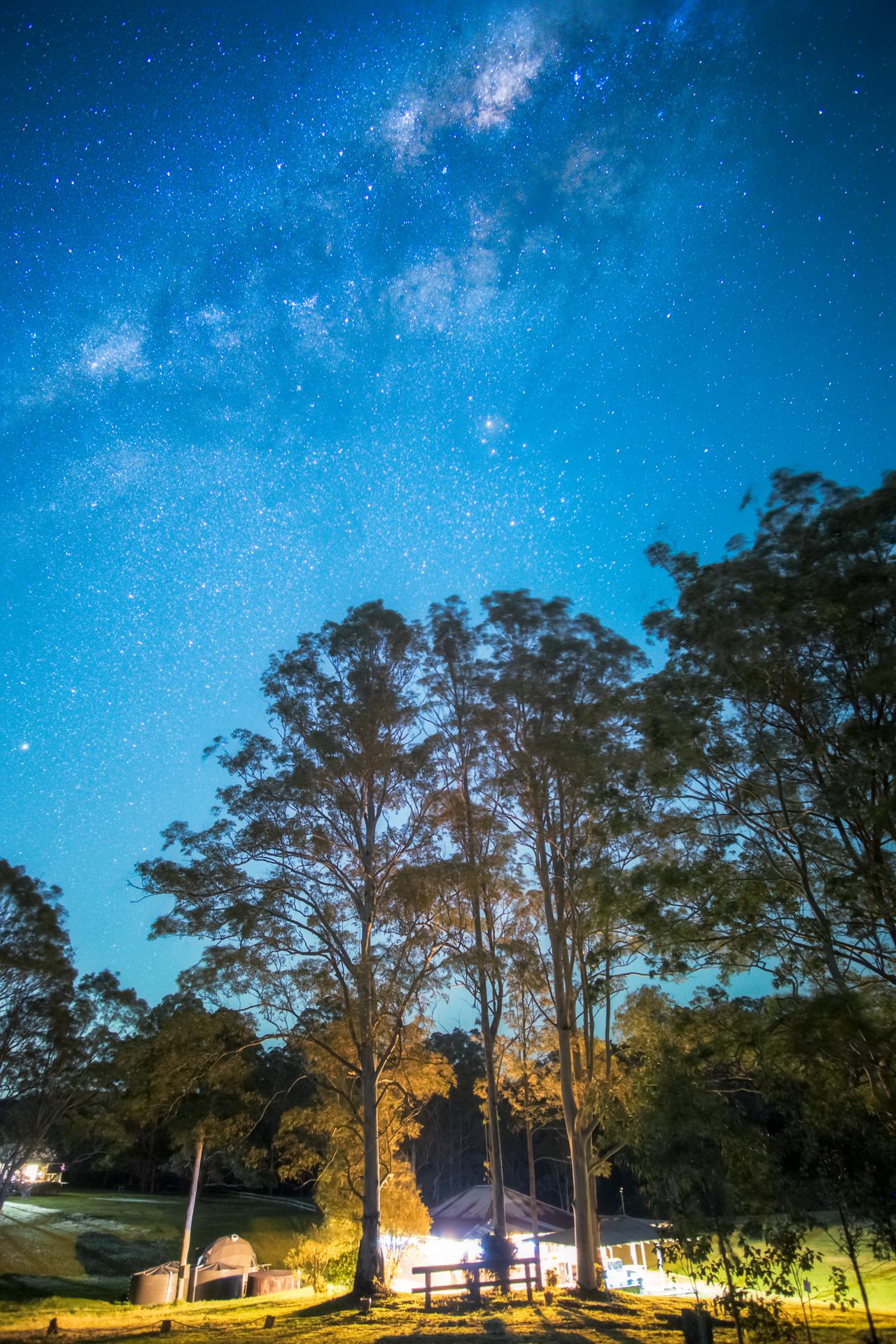
On a moonless winter night from a dark location, the Milky Way is unmistakable. It stretches across the sky as a wide, textured band of light. You can see dark rifts (lanes of interstellar dust silhouetted against the glow) and the galactic centre itself, which is the brightest and widest section, sitting low in the east early in the evening and climbing overhead as the night goes on.
Scorpius and the Red Giant Antares
Scorpius is the constellation of winter in the Southern Hemisphere, and once you know its shape you will spot it instantly. It looks like a fishhook curving across the sky, with the bright red-orange star Antares at its heart. Antares is a red supergiant (about 700 times the diameter of our sun), and its colour is visible to the naked eye. Look toward the northern sky after dark and you will find it.
The Southern Cross and the Pointer Stars
The Southern Cross is visible year-round from NSW, but in winter it is well positioned in the south-southwest after dark. Use it the way travellers have for centuries: the long axis of the cross points roughly toward the south celestial pole. The two bright Pointer Stars (Alpha and Beta Centauri) sit nearby and help you identify it. Alpha Centauri, incidentally, is the closest star system to Earth at just 4.37 light-years away.
The Magellanic Clouds
If your sky is dark enough, you can spot the Large and Small Magellanic Clouds, two dwarf galaxies that orbit our Milky Way. They look like detached fragments of the Milky Way, faint fuzzy patches low in the southern sky. Seeing them with the naked eye is one of those moments that puts things in perspective. Each one contains billions of stars, and they are roughly 160,000 and 200,000 light-years away respectively.
Planets
Planets move through the sky month to month, but winter often delivers good views of Jupiter and Saturn in the evening or pre-dawn sky. They are easy to distinguish from stars because they shine with a steady light rather than twinkling. On any given winter night, check a free app like Stellarium or Sky Map to see what is up and where to look.
Where to Go Stargazing Near Sydney
The single biggest factor in stargazing is light pollution. From inner Sydney you might see a few dozen stars on a good night. Drive 90 minutes in the right direction and that number jumps to thousands, with the Milky Way clearly visible overhead. Here are the main options.
Blue Mountains
The Blue Mountains are a popular choice, and for good reason. The dark sky sanctuary near Wollemi National Park, run by the Astronomical Society of NSW, is one of the closest dedicated stargazing locations to the city. The elevation helps, and there are some excellent lookout points along the ridgeline. The trade-off is that winter nights up there are genuinely cold (we are talking low single digits), and most of the good spots do not have shelter or facilities nearby.
Royal National Park
The southern fringes of the Royal National Park can offer reasonable sky darkness for something so close to Sydney. Palm Beach on the Northern Beaches was also recently recognised as an Urban Night Sky Place. These are good options for a quick evening trip, but you are still close enough to the city that the southern and western horizons will glow. Fine for casual stargazing, not ideal for the Milky Way.
Warrumbungle National Park
Australia's only officially designated Dark Sky Park, near Coonabarabran in central-western NSW. The sky quality here is genuinely world-class. But it is a five-hour drive from Sydney, which makes it a commitment. If you are serious about astrophotography, it is worth the trip. For a weekend stargazing getaway, there are closer options that still deliver impressive skies.
Central Coast Hinterland
This is the option most people do not know about. The valleys behind the Central Coast (Dooralong, Yarramalong, Kulnura, Mangrove Mountain) are shielded from Sydney's light dome by the ridgeline of the Great Dividing Range to the south and from the coast by the hinterland hills. The result is a pocket of surprisingly dark sky just 90 minutes from Sydney CBD. It is not Warrumbungle-level darkness, but on a clear, moonless night you can see the Milky Way's core, the Magellanic Clouds, and thousands of stars. And unlike a mountaintop lookout, you can be in a warm bed five minutes after you finish stargazing.
Stargazing in the Dooralong Valley
I am biased, obviously. I built a glamping property here. But the night sky is one of the main reasons I chose this location, and it is one of the things guests comment on most. The valley sits in a natural bowl surrounded by bushland and horse paddocks. There are no streetlights, no commercial properties nearby, and the nearest town of any size is over the ridge. On clear nights, the darkness is the real kind, the kind where you can see your own shadow cast by the Milky Way if you give your eyes long enough to adjust.
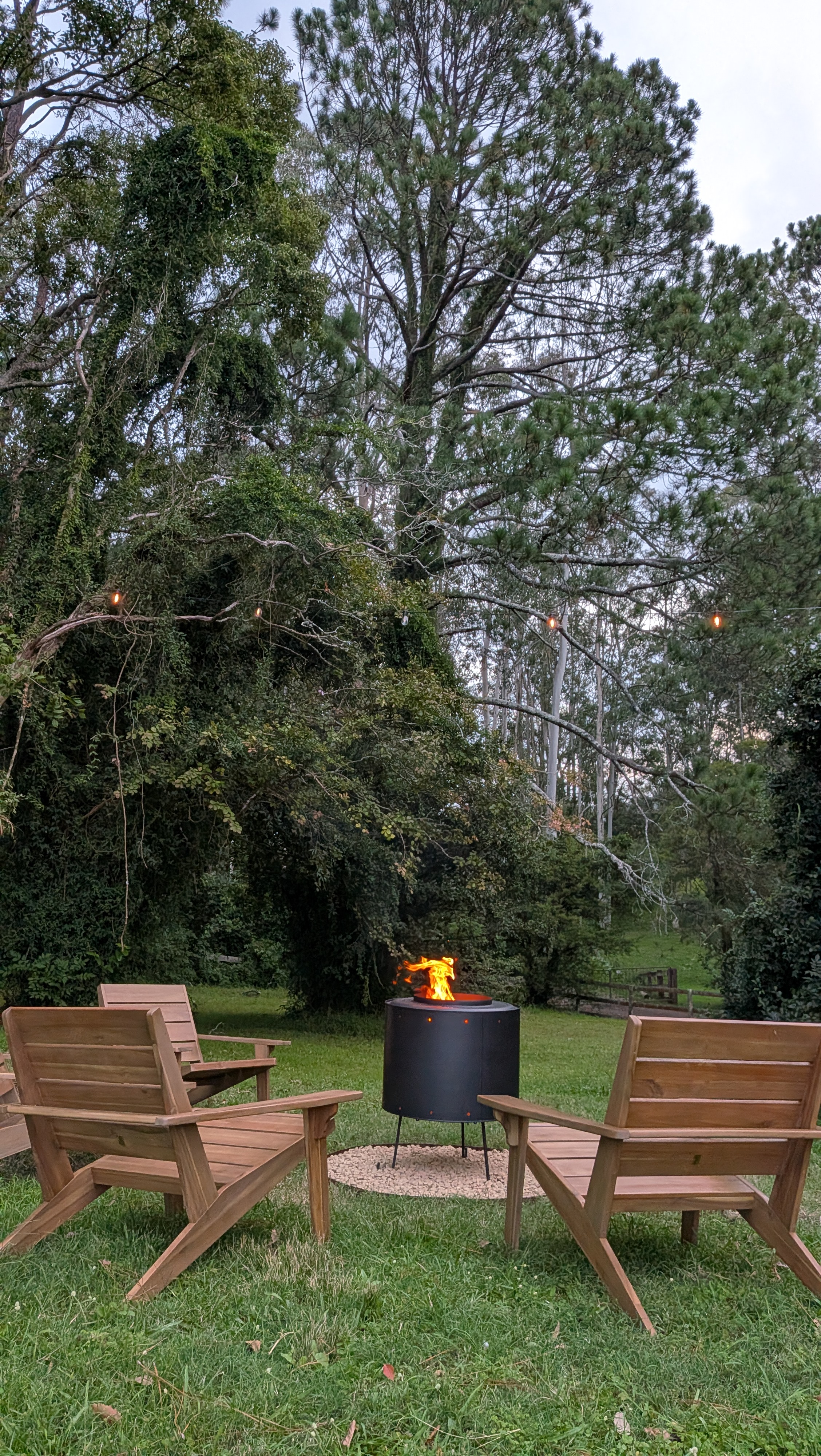
At Unwind Escapes, The Nest, The Burrow and the Redwood Safari Tent each have their own private fire pit. The best stargazing nights usually start the same way: light the fire around sunset, cook dinner on the BBQ or in the clubhouse kitchen, and settle in as the sky darkens. By about 7pm in mid-winter, it is fully dark. The fire provides just enough warmth to keep you comfortable without ruining your night vision, especially if you sit facing away from the flames and look up.
The property is 10 acres, and there is plenty of open sky. The cricket oval in the centre gives you a wide, unobstructed view from horizon to horizon. Some guests bring a blanket and lie on the grass. Others just lean back in their chair by the fire pit. Either works. The point is that you do not need to go anywhere: the sky comes to you, and then you walk back to a real bed with heating when you are done.
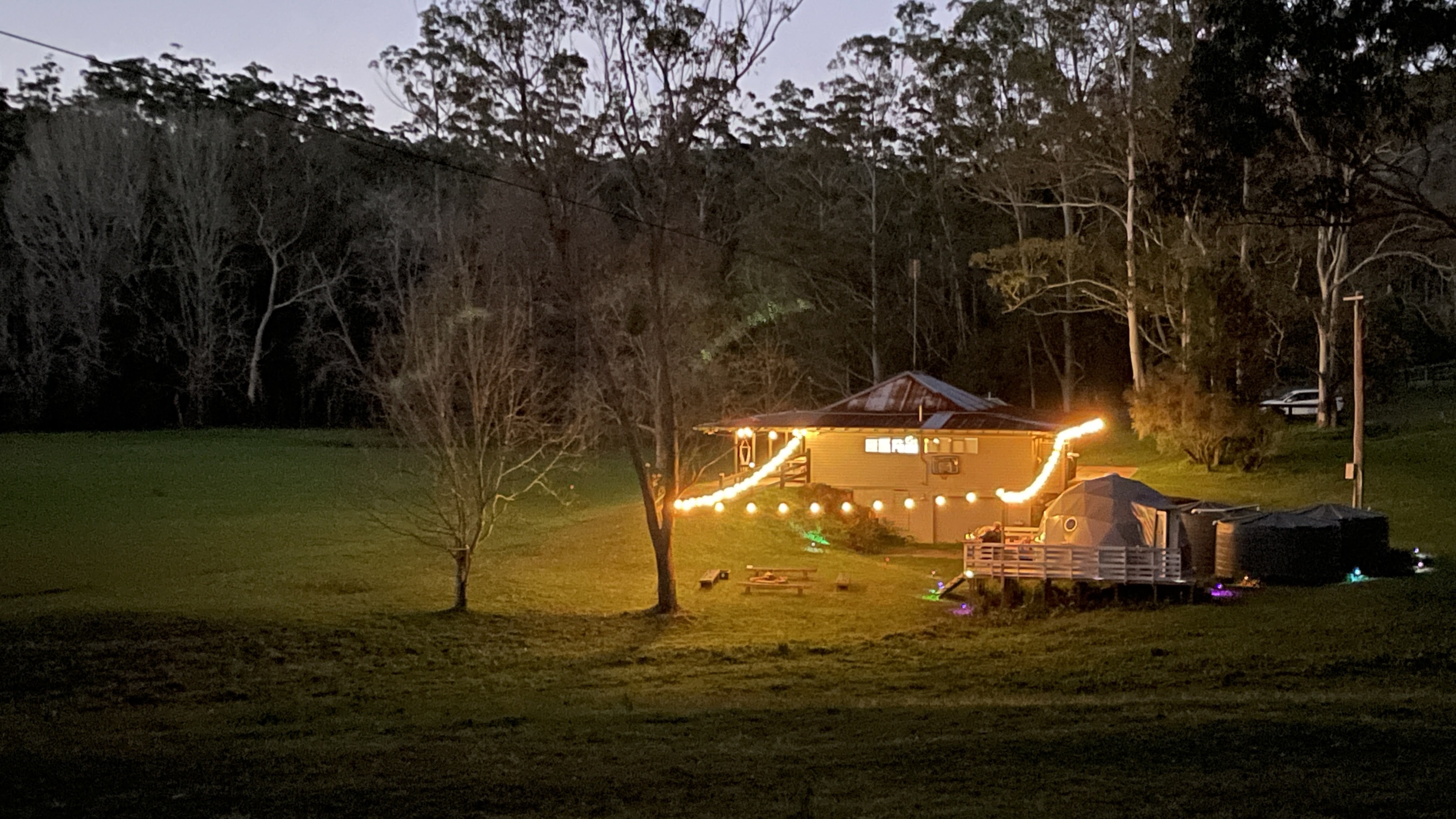
I have photographed the Milky Way from the property multiple times. The galactic core rising over the clubhouse is one of the best shots I have, and it was taken on a phone with a long exposure. You do not need professional equipment. A clear, moonless night and your own eyes are enough.
Our Stays

The Nest Glamping Dome
Our newest geodesic dome with floor-to-ceiling glass windows, king bed, cinema area, air conditioning, and private fire pit. Watch the Milky Way through the panoramic windows from bed.
View & book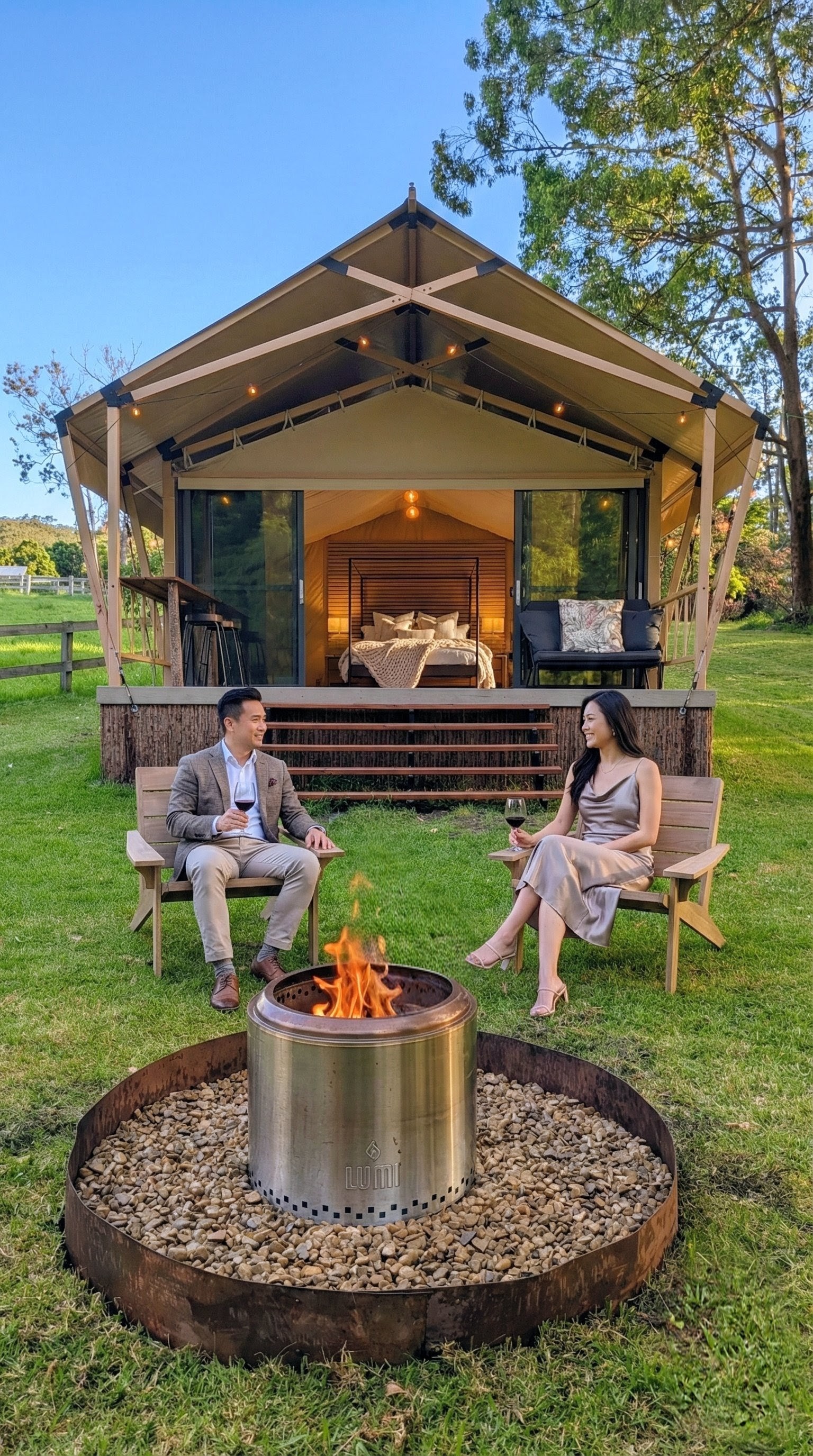
Redwood Safari Tent
Luxury safari tent with sliding glass doors opening onto the dawn redwood grove. Air conditioning, couch, TV, and your own private fire pit.
View & book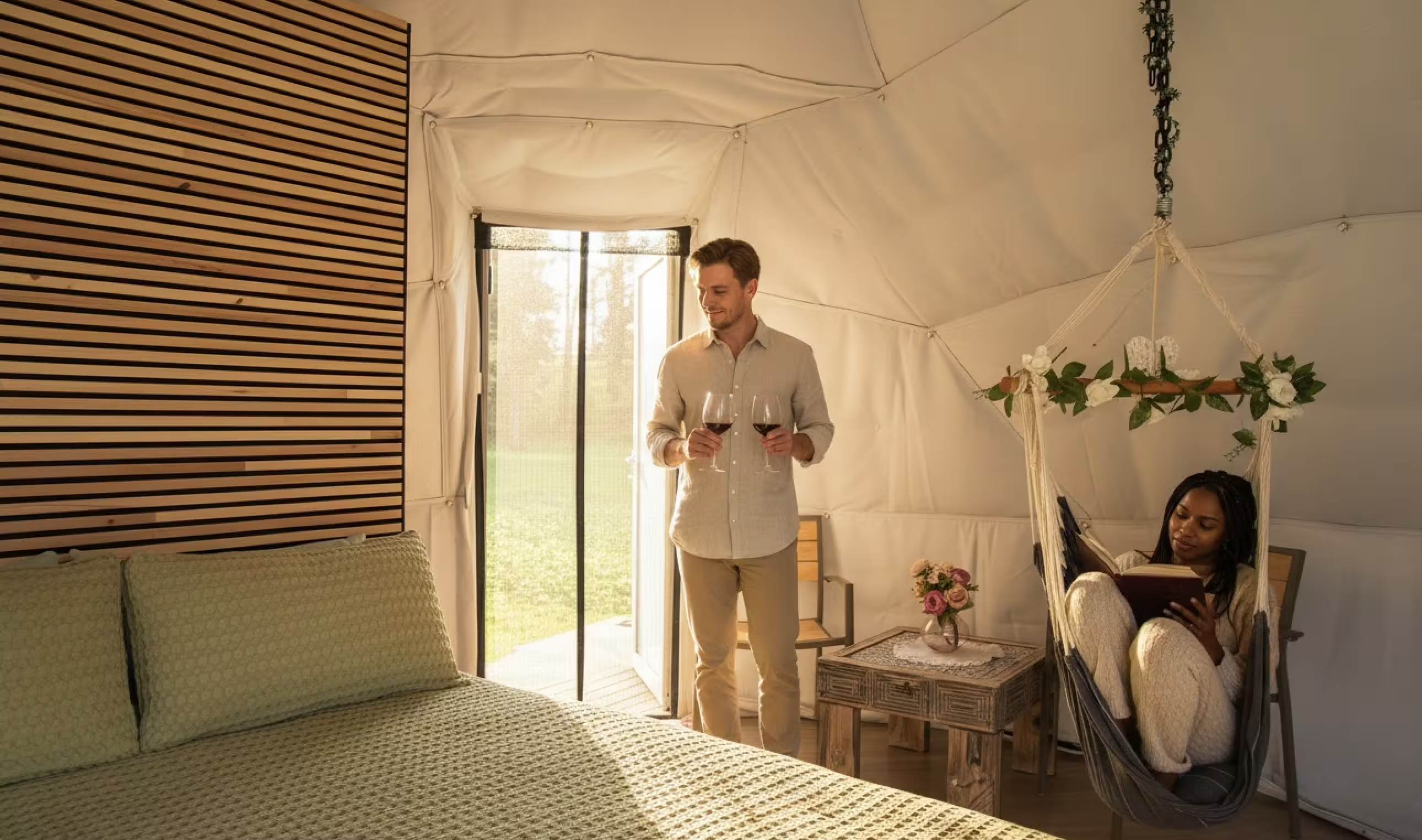
The Burrow Glamping Dome
Our original geodesic dome with panoramic windows, queen bed, and air conditioning. Cosy and intimate with open valley views and a private fire pit.
View & book
Serene Family Retreat
Our family-sized stay with kitchenette, air conditioning, and room to spread out. Ideal for families or groups.
View & bookFrequently Asked Questions
Yes. The Central Coast hinterland, particularly valleys like Dooralong Valley, has significantly less light pollution than Sydney. On a clear, moonless winter night you can see the Milky Way's galactic core clearly with the naked eye. The further inland you go from the coastal strip, the darker it gets.
June and July are ideal. The nights are longest around the winter solstice (June 21), the air is drier and clearer than in summer, and the Milky Way's bright galactic centre is well positioned in the sky after dark. New moon periods within these months offer the darkest skies.
Not at all. Most of the best things to see in the winter sky (the Milky Way, the Southern Cross, Scorpius, Jupiter, Saturn, and the Magellanic Clouds) are visible with the naked eye from a dark location. Binoculars are a nice upgrade if you have them, but you absolutely do not need a telescope to have a great night of stargazing.
You need roughly 60 to 90 minutes of driving to escape the worst of Sydney's light pollution. The Central Coast hinterland, the Blue Mountains, and the Royal National Park fringe all offer significantly darker skies. For Milky Way visibility, inland valleys about 90 minutes from the CBD are the sweet spot for effort versus sky quality.
Winter is when the Southern Hemisphere puts on its best show. Scorpius dominates the sky with its distinctive hook shape and bright red star Antares. Sagittarius sits near the brightest part of the Milky Way. The Southern Cross and the Pointer Stars are well positioned. You can also spot the Magellanic Clouds on dark nights: two satellite galaxies visible to the naked eye.
For dedicated dark sky sites, the Blue Mountains and Wollemi National Park are popular. For a combination of dark skies and comfortable overnight accommodation, the Central Coast hinterland (particularly the valleys around Dooralong, Kulnura, and Yarramalong) offers Milky Way-quality darkness within 90 minutes of Sydney. The key is getting away from the coastal strip and into the valleys.
Getting Here & Contact
Getting Here
- From Sydney CBD: 90 minutes via M1 Pacific Motorway
- From Sydney Airport: 90 minutes
- From Hornsby: 60 minutes
- From Newcastle: 60 minutes
You will need a car. The valley is quiet and transport options are limited.
Open in Google MapsGet in Touch
For availability and pricing, use our booking site.
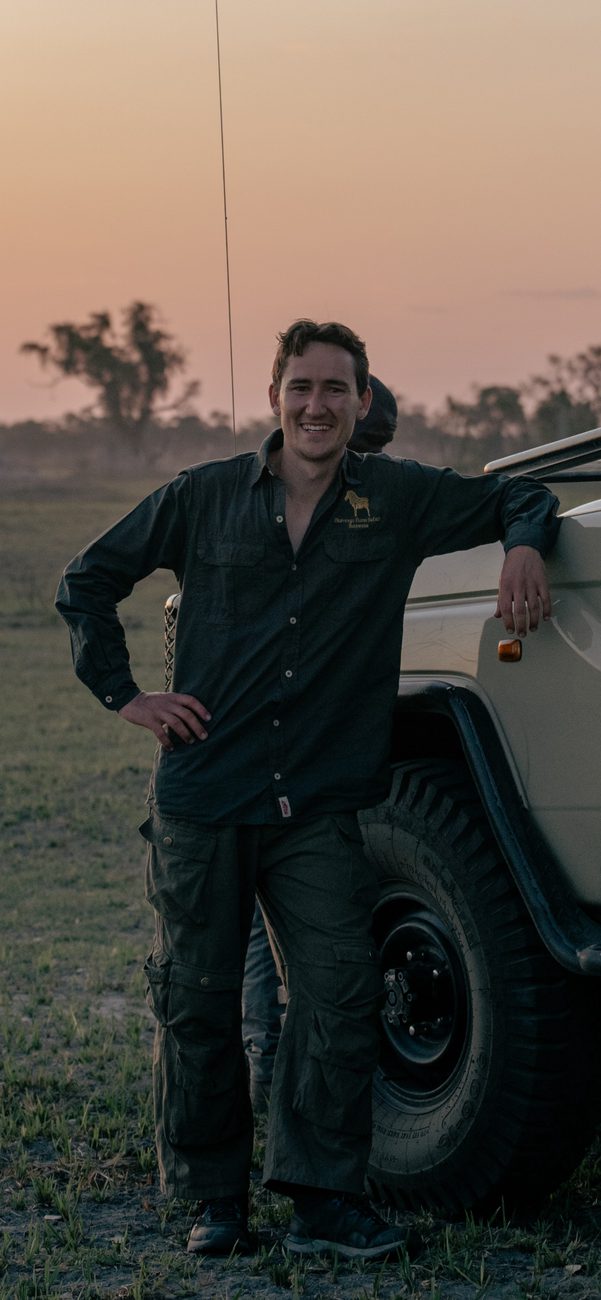
Written by Riley Mackillop
Founder of Unwind Escapes. Riley built the property from the ground up starting with a single bell tent in 2022. He now runs four unique glamping stays in the Dooralong Valley, Central Coast NSW.